WHY WE’RE HERE

Our son was diagnosed with ATR-X (alpha thalassemia intellectual disability x-linked syndrome) in June 2016. My husband and I received the diagnosis via a phone call from our geneticist while sitting in a grocery store parking lot in our car. That phone call changed our lives but we’d known from the moment our son was born (and had to be immediately resuscitated) that something wasn’t right. It’s been incredibly hard to find information which is why we started this website. We want to make the journey easier for everyone else diagnosed after us. It’s not a life we ever imagined. We hope this website helps you understand how to live with ATR-X too.

cropped-img_2244.jpg


ATR-X INFO & RESEARCH

What is ATR-X? The ATRX gene is essential to brain function and may play a role in regulating the activity of other genes, so any alteration to this gene (as happens with ATR-X the disorder) causes a domino effect of issues affecting the entire body.  ATR-X the disorder can be inherited (carried by/passed on by the mother; it typically does not express in or affect females) or a de novo (spontaneous at conception) mutation on the ATRX gene. It is important to know is that ATR-X is a spectrum disorder which means the severity can range from mild to profound. It almost always affects boys but very rarely also affects girls as well. I’ll refer to boys most often on this site to keep things simple.

Every. Single. Boy. is different and will do things on their own timeline. There’s no way to know how your kiddo will develop. So never underestimate them. And keep in mind at the base of it all is what your job as a parent is: make them feel loved and safe and do your best to keep them healthy. That’s all you have to do. Don’t worry about anything else. Are they happy as they can be? Then you’re doing a great job.

ATR-X affects EVERYTHING.

A quick overview of how ATR-X affects individuals:

  • Intellectual disability is very common and can be on the more severe side, unfortunately. Cortical Visual Impairment is related and a common issue as the brain often cannot process vision correctly.
  • Verbal communication: While some boys learn to talk, it’s quite common for boys to be nonverbal or have very limited words. Sometimes they are able to use communication devices and technology is providing better and better communication options every day.
  • Physical disability: Almost all boys are somewhat to very delayed on their physical milestones. Marked hypotonia (low muscle) is typical for all ATR-X boys. Some boys learn to walk (by age 3 or 5 or 8…) but many boys use wheelchairs or need help to be mobile indefinitely. Fine motor skills can be difficult–reaching for and picking up items are skills that may be learned with time. Sitting up can take a while (our kiddo mastered this at age 3.5….we were so proud!).
  • Physical appearance: ATR-X boys can often look somewhat similar and there’s reason to believe that the ATRX gene plays a role in facial formation. Many of the boys have upturned mouths, widely spaced teeth, low nose bridges, etc. What they all have in common? They’re ADORABLE, with amazing smiles and laughs and often really great hair.
  • Breathing difficulties:  Respiratory problems are common. Central and/or obstructive apnea is widespread and some of our boys are trached (have a tracheostomy tube) or on oxygen at various times. Anesthesia can hard on the boys and they are often kept in the hospital after surgeries for longer than anticipated due to low oxygen levels. Keep an eye on any respiratory infections that can lead to pneumonia as this can be a cause of mortality in ATR-X boys (and read up on the signs of sepsis as well).
  • GI issues: Many boys have GI issues of some form (chronic constipation, severe reflux, malrotation of the intestines, rumination, EOE), often causing severe pain. Unfortunately this is a BIG mystery area that leaves doctors puzzled on how to cure the pain. Most boys are on a laxative or probiotic of some form to stay regular.
  • Genital abnormalities: Many boys have undescended testicles, microgenitalia or other genital abnormalities.
  • Seizures: Roughly 30% of our boys deal with seizure activity, according to the Dutch ATR-X Foundation.
  • Skeletal abnormalities: From scoliosis & kyphosis (curvature/rounding of the spine) to brachydactyly (shortening of the fingers and toes due to unusually short bones) to hip issues (coxa valga/coxa vara) and more, many boys deal with skeletal issues. Additionally, many boys are of short stature.

The Dutch ATR-X site lists the most common major issues by bodily system here.


Read more about ATR-X on these sites:

Our Dutch friends have particularly strong resources for ATR-X:

ATR-X Research

Research on ATR-X is very limited due to the rarity of cases but there have been some hopeful developments by researchers recently, in particular due to the creation and involvement of the ATR-X Research Alliance group and Simon’s Searchlight.
Follow the ATRX Research Alliance on Facebook to stay up to date on their efforts. Their most recent video update is recorded here (October 2024) and they share some amazing research developments and you can also get introduced to some of the main researchers leading the charge.

ATRX Research Alliance works together with Simon’s Searchlight to further ATR-X research. Sign up and share your family’s genetic report so researchers have a better understanding of our community’s numbers and give them access to all information. Many researchers still think ATR-X affects so few people that it’s not worth researching. We know our numbers are bigger than believed so signing up and sharing your paperwork will help prove that ATR-X is worth studying. Sending in a blood sample is voluntary but is a huge contribution to the study of this condition. Please consider being a part of the research.

Additionally, in 2018 at Tohoku University in Japan. These show that the intellectual disability in mice with ATR-X was improved in two different trials, one in which the mice were given a compound called 5-ALA and another in which they were given a substance called SA4503. Two important notes here are that the cognitive function was improved in mice already afflicted with ATR-X (so it could potentially help boys already diagnosed) and that the trial was done in mice. Human trials are likely a long ways off and approved treatments are even further away. But still…there is hope!


Groups to follow for more information:

Am I missing any? Please share! email Allaboutatrx@gmail.com

frog4

Please note I am not a medical professional nor do I give medical advice on this site; I just aim to share as much information about ATR-X as possible and collect it all in one place.
Speak to your doctor before making any medical decisions.

U.S. meet up in Portland Summer 2024

The annual American summer meetup for families to connect is back and scheduled for June 28-30 near Portland, Oregon. This special weekend is for families from around the globe to connect in person, learn more about ATR-X and the wide spectrum we navigate as families and caregivers, where we celebrate successes and share sorrows and trade tips and tricks for helping our kiddos be their best selves. This event is organized by the volunteers at the International ATR-X Foundation and more information can be found on their Facebook page.

Participate in ATR-X Research!

The ATR-X Foundation of the Netherlands is conducting a survey to help us learn more about the “natural course of the ATR-X syndrome.” All parents of children with ATR-X, alive or deceased, are asked to complete a questionnaire so we can learn more about every individual with ATR-X. Surveys are asked to be completed by summer 2020.

Here’s a note from the Stichtung ATR-X Syndroom Netherlands:
“Everything is ready to start the international research into “the natural course of the ATR-x Syndrome”. The questionnaires are ready to be completed!

The aim of this research is to get a better picture of the symptoms and the course followed by the ATR-x syndrome. We want to know exactly what the symptoms are, at what age they arise, what other problems arise over the years and what the life expectancy is of people with this syndrome. Specifically, we want to learn more about the gastro-intestinal problems that occur with the ATR-x syndrome and also learn more about the symptoms that resemble epilepsy but where epilepsy cannot be determined.

In addition, we want to identify the psychosocial consequences for parents of children with the ATR-x syndrome, so that parents can be better guided in the care of their child.

The first results will be announced next year at the international ATR-x meeting in the Netherlands, but of course those who participate but cannot come to this meeting will also receive these results!

We also ask parents whose child is deceased to complete the questionnaires. We realise that it is confronting but this information is extremely important to know and to help others in the future. The researchers will handle the data with the upmost discretion.

If you have several children with the ATR-x Syndrome, we would like to ask you to complete the questionnaires separately for each child. We realise that it will take a lot of time, but we have split the questionnaires per subject so that not everything has to be filled in at once. Feel free to fill in everything you think of. We estimate that completing the questionnaires takes approximately 15-20 minutes each. Some may take longer and some will take less time. We would like to ask you to please fill them in within 3 weeks.

If you want to participate in this study, please send an email to info@atrxsyndroom.nl with:
– the name and date of birth of your child in day-month-year (and if applicable also the date of death)
– residence and country
– your consent on letting us save your email address in order to send you the research results and any information about this research in future. Your email address will not be used for any different purposes than that.

This information will be entered and then an email will be automatically sent to you with a code to open the questionnaires online. All data go directly to the researchers and will be anonymised, the ATR-x Foundation in the Netherlands has no access to this data.

We hope that many families will participate!!!   Together we are strong!”

Photo courtesy of Glenn Carsten Peters/Unsplash

2019 ATR-X Meetup in Hartford, CT

American families with ATR-X loved ones are having our annual meetup in Hartford, CT, on July 19-21. The loosely organized weekend will include lots of time together to talk and bond over our shared experiences, a talk on Cortical Visual Impairment (CVI), a music therapy session, an update on the International ATR-X Foundation, some Pepe’s pizza (hopefully!) and a trip to the Mystic Aquarium.

Reach out to me if you need details. AllAboutATRX@gmail.com

Hope to see everyone there!

Best Bibs for Heavy Droolers

SO. MUCH. DROOL.

Our boys drool a lot and while some have undergone more drastic measures (such as clipping the salivary glands or using Botox to paralyze them) to curb this issue, depending on the severity, most of us just rely on good bibs. Everyone has their own preference but I’ve come to love bandanna-style bibs made out of sweatshirt material. They absorb a fair amount and keep my guy looking looking like the stud he is.

Here are some of my favorite brands:

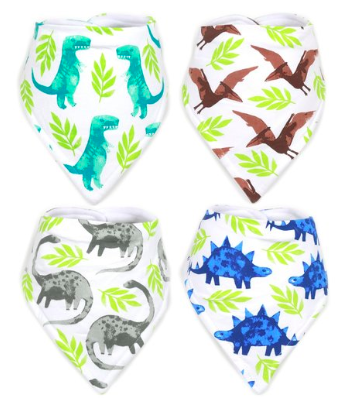
  • Stadela – $15 for a 4-pack and some of the best designs I’ve seen on bandanna bibs. Available on Amazon (where you can sometimes find an 8-pack for $17).

Screen Shot 2019-02-28 at 12.00.22 PM

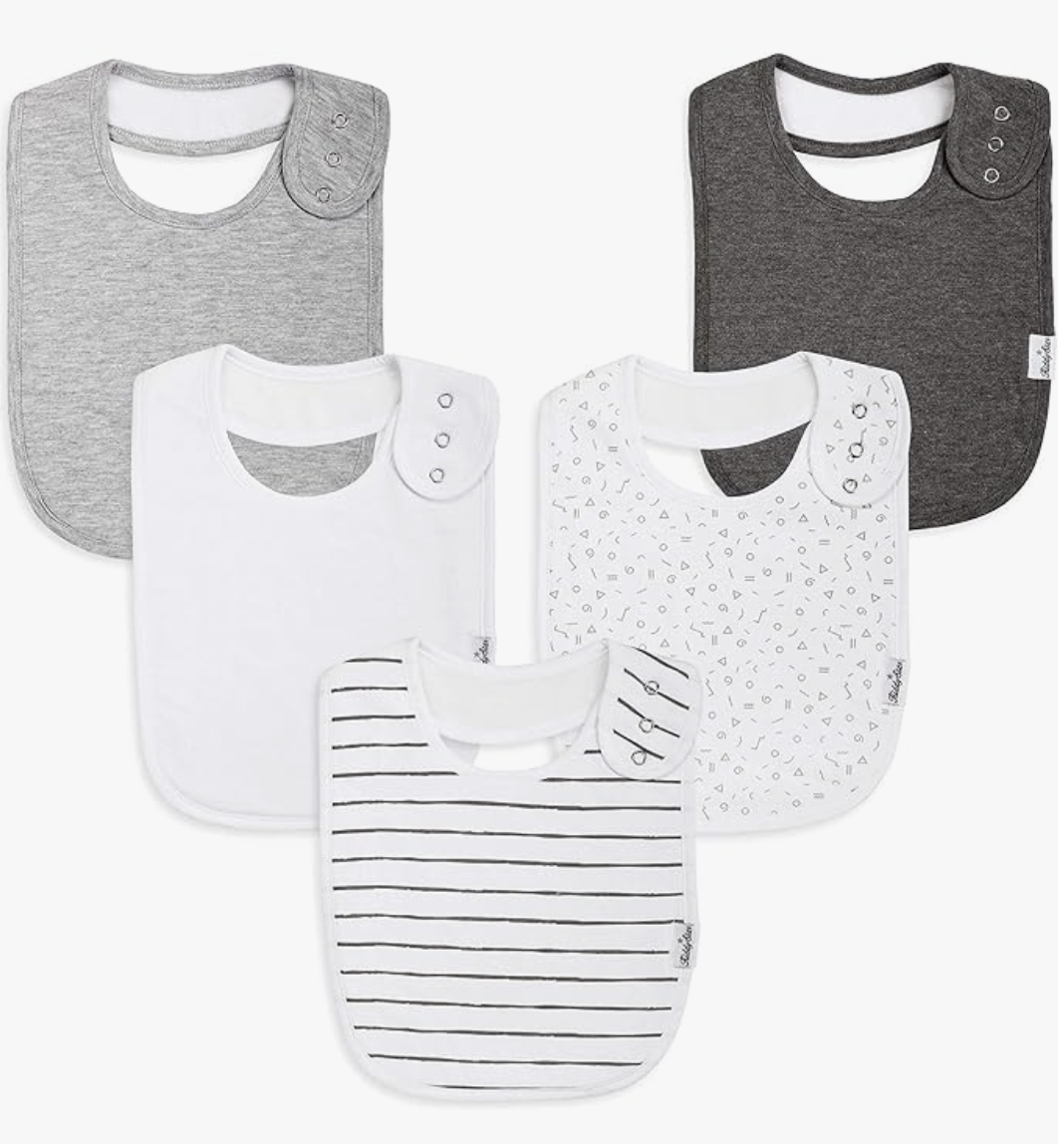
  • KiddyStar – Larger format bibs to catch more drool. $22 for 5 as of time of writing. Current favorites. Buy here on Amazon.
    Screenshot 2024-01-03 at 3.28.52 PM
  • TheAZBaby – Currently unavailable but hopefully back in stock soon.
    $16 for a set of 8 on Amazon. Love solid colors so stains are easier to hide (especially on the black). A similar brand is Kea Babies on Amazon.

Screen Shot 2019-02-28 at 12.02.59 PM

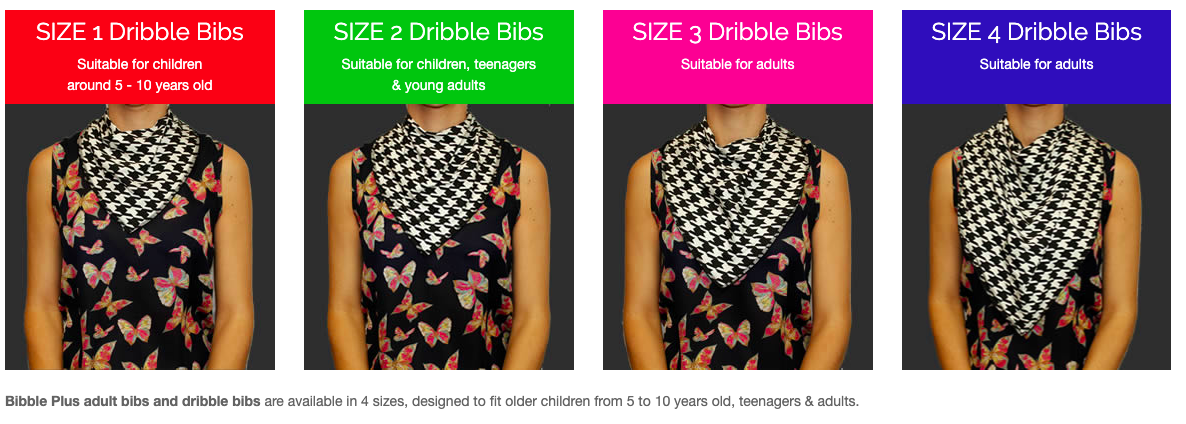
  • Bibble Plus Dignity Bibs – This UK company makes bibs specifically for older kids & adults. I love the name “dignity bibs.” The price depends on the size you buy.

  • SeenIn Bibs – Another UK company they have a lot of great options for kerchief bibs (including some with rubber tips for chewing, and a 2-in-1 option so you can easily flip it when one side gets too wet, without changing the bib entirely).

And finally, I have to give a shout out to my local Once Upon a Child store as I was there looking for a Halloween costume one day and they had a huge bin of sweatshirt bibs (all brand new) with no labels, sold for $1.50/each so I did a huge stock up which allowed me to get rid of all the embarrassingly stained bibs I’d been holding onto.

Have a great bib brand you love? Let me know!  Email allaboutatrx@gmail.com

Sensory Brushing & Joint Compressions

The first exercises we were taught to do with Ryan at home every day were joint compressions and sensory brushing. The first time I saw sensory brushing anywhere else was in the (terribly depressing) movie Tully with Charlize Theron and that’s when I realized it was a thing other people maybe did too. Read more below about sensory brushing and joint compressions. It’s easy to incorporate into your daily routine.

Here’s a video I found on YouTube that shows both, though we used a different brushing technique. (She looks angry but she’s not.)

Sensory Brushing:
Many kiddos with neurological disorders issues have overly sensitive or defensive reaction to touch. Even though we’ve been doing this for 3 years, I just found out there’s an official name for “sensory brushing.” It’s called Wilbarger Protocol for Sensory Integration, or brushing therapy for short. It requires having a plastic surgical brush like this (a surgeon friend gave us a few from his hospital, for free), and brushing your child’s body wherever they are most sensitive. For our kiddo, we would brush his hands and arms every morning in long strokes. His therapist would do his entire upper torso. And in the video above, you see some people do the entire body. This is meant to deliver strong sensory input and teach the child’s boy to self-regulate this input.

Joint Compressions:
These are designed to send proprioceptive information to the brain, helping the body understand its place in space and where certain joints are within the body without visual cues. Proprioception is what allows you to touch your finger to your nose with your eyes closed. You understand where your body parts are. This isn’t necessarily the case in people with neurological disorders. The ability to understand where limbs and body parts are is disrupted because the signals that send the stimuli to the brain do not fire correctly. So repeated joint compressions daily may help the body understand where certain body parts exist and may help the individual learn to move his body independently one day.

Doesn’t hurt to try, right?

PS – I also thought this was an interesting take on “brushing” from a blog run by an “anonymous OT.”

Screen Shot 2019-05-18 at 10.23.50 PM

*Please keep in mind I am not a medical expert or trained therapist of any kind. Just a mom who worries too much and reads too much and always thinks she isn’t doing enough. But figures she should share some of what she learns.